Home / Best Barefoot Shoes
Best Barefoot Shoes of 2026
Barefoot shoes bet that your feet work best when shoes stop helping: zero heel drop, foot-shaped toe boxes, and soles thin enough to feel the ground. Xero, Vivobarefoot, Lems and SAGUARO lead these picks across casual, trail and gym.
16 picks · live prices from independent stores · updated daily

$62.15




What actually makes a shoe 'barefoot'
Three specs define the category: zero drop (heel and forefoot at the same height), a foot-shaped toe box that lets toes spread instead of tapering to a point, and a thin, flexible sole — typically 3–10mm — that transmits ground texture. Strip any one away and you have a comfortable wide shoe, not a barefoot shoe. The premise is that feet strengthen when they do their own stabilizing and cushioning; the evidence is genuinely mixed, but the wide-toe-box comfort case is beyond argument for anyone whose toes have spent decades compressed.
The transition is the whole ballgame
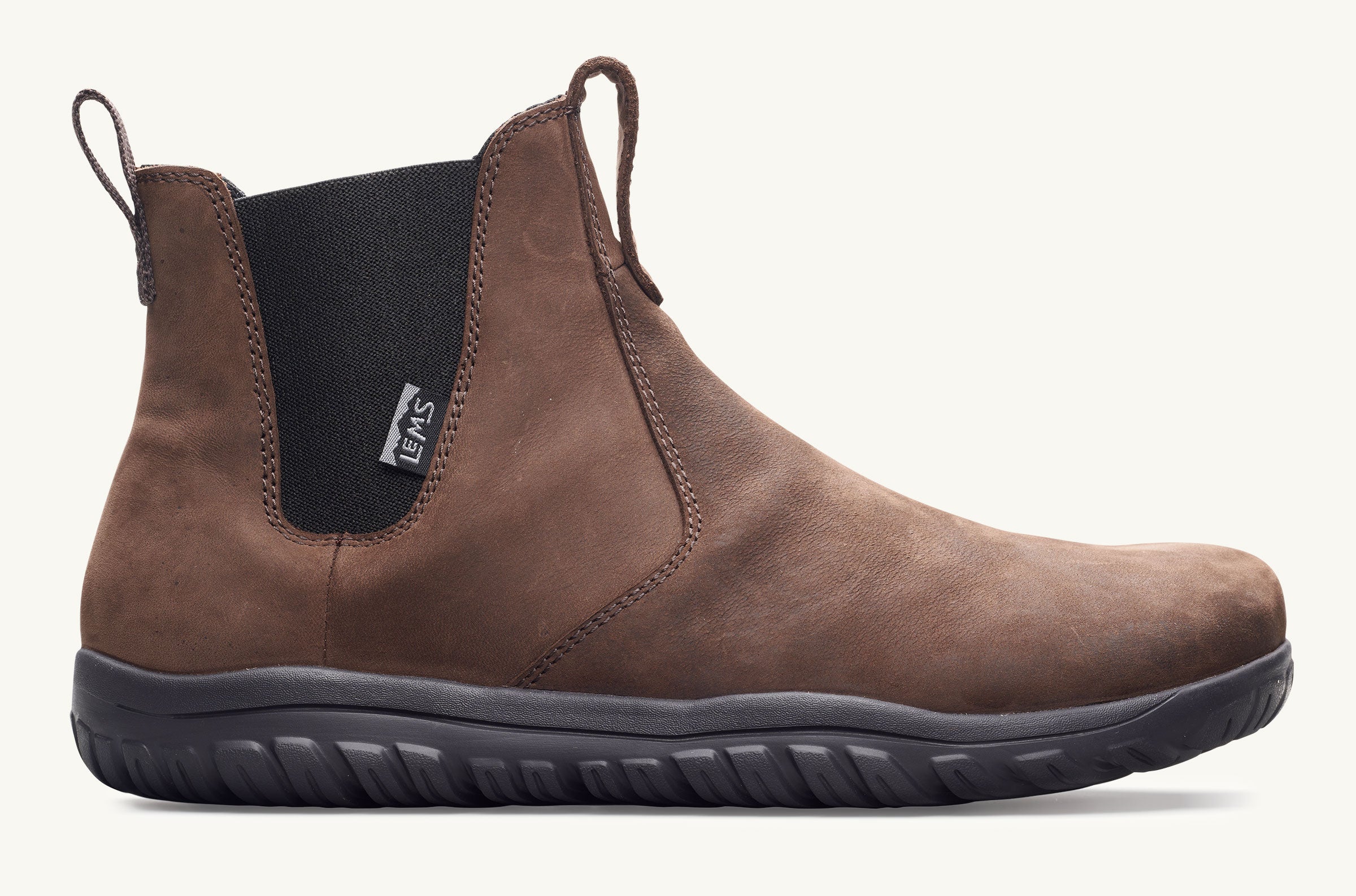
Going from cushioned shoes to barefoot overnight is the classic injury story — calves, Achilles and foot muscles that have been braced for years suddenly work full time. The boring, correct protocol: walk before you run, start with an hour or two a day, and add gradually over months, not weeks. Brands like Lems and SAGUARO offer slightly cushioned 'transitional' models that split the difference; Vivobarefoot and Xero are the purer end once your feet are ready.
Where barefoot works best (and where it doesn't)
Casual wear, walking, gym strength work and light trails are the category's sweet spot — lifting in particular rewards the flat, stable, ground-connected platform. Long pavement runs are the hardest use case and where most transition injuries happen. Cold and wet are solvable: barefoot boots and waterproof models exist across these brands, keeping the toe room and losing the frostbite.
Frequently asked questions
+Are barefoot shoes good for flat feet?
Often yes, counterintuitively — the working theory is that arches weaken partly from being held up, and many flat-footed wearers do well after a careful transition. Go slower than average, and treat pain (not fatigue) as the stop signal.
+How long does the transition take?
For all-day wear, most people need 1–3 months of gradual buildup. For running, think 6–12 months to full mileage. Calf soreness early on is expected; joint or tendon pain means back off.
+Can I lift weights in barefoot shoes?
It's one of the best use cases — flat, stable and ground-connected is exactly what squats and deadlifts want. Many lifters use barefoot shoes as their dedicated lifting shoe; see our weightlifting picks for the comparison.
Picks are selected from live inventory across independent stores on Agora and refresh as the catalog updates. Prices and availability come from each store; you check out securely on the merchant’s own site.