Home / Best Shoes for Nurses
Best Shoes for Nurses of 2026
Twelve hours on hospital floors is a footwear stress test: hard tile, constant standing, sudden sprints, and everything that spills. These picks — slip-resistant clogs, cushioned walking sneakers and wipe-clean styles — are chosen for exactly that shift.
16 picks · live prices from independent stores · updated daily


Clogs vs. sneakers: the great nursing divide
Clogs dominate hospitals for reasons beyond habit: a roomy toe box for swelling feet, a wipe-clean upper for spills, and easy on-off for shoe covers. Athletic sneakers counter with better cushioning for the nurses who walk five-plus miles a shift rather than standing in one unit. Neither is universally right — high-mileage roles favor a cushioned runner like a Hoka or Brooks; procedure-heavy, standing-heavy roles favor the clog. Many nurses rotate both across the week.
Slip resistance is a spec, not a vibe
Hospital floors mix polished tile with water, soap and worse. Genuinely slip-resistant outsoles use softer rubber compounds and channeled tread patterns that push liquid away from the contact patch — look for shoes marketed and rated as slip-resistant rather than assuming any rubber sole qualifies. Closed toes and fluid-resistant uppers aren't optional in most units; mesh runners breathe better but soak up whatever hits them.
Surviving the second half of the shift
Feet swell over a long shift, so fit shoes late in the day and leave a little more toe room than in a casual sneaker. Moderate, resilient cushioning outlasts pillow-soft foam that bottoms out by hour eight. Two pairs alternated between shifts do more for foot and knee fatigue than any single feature, because midsole foam needs a day to rebound — and compression socks help more than most shoe upgrades.
Frequently asked questions
+Why do so many nurses wear Crocs or Hokas?
They solve the two ends of the problem: Crocs' clogs are light, roomy and hoseable; Hokas carry maximum cushioning for concrete-mile shifts. Between them they cover most of what a shift throws at feet — which is why both are hallway constants.
+Are running shoes okay for nursing?
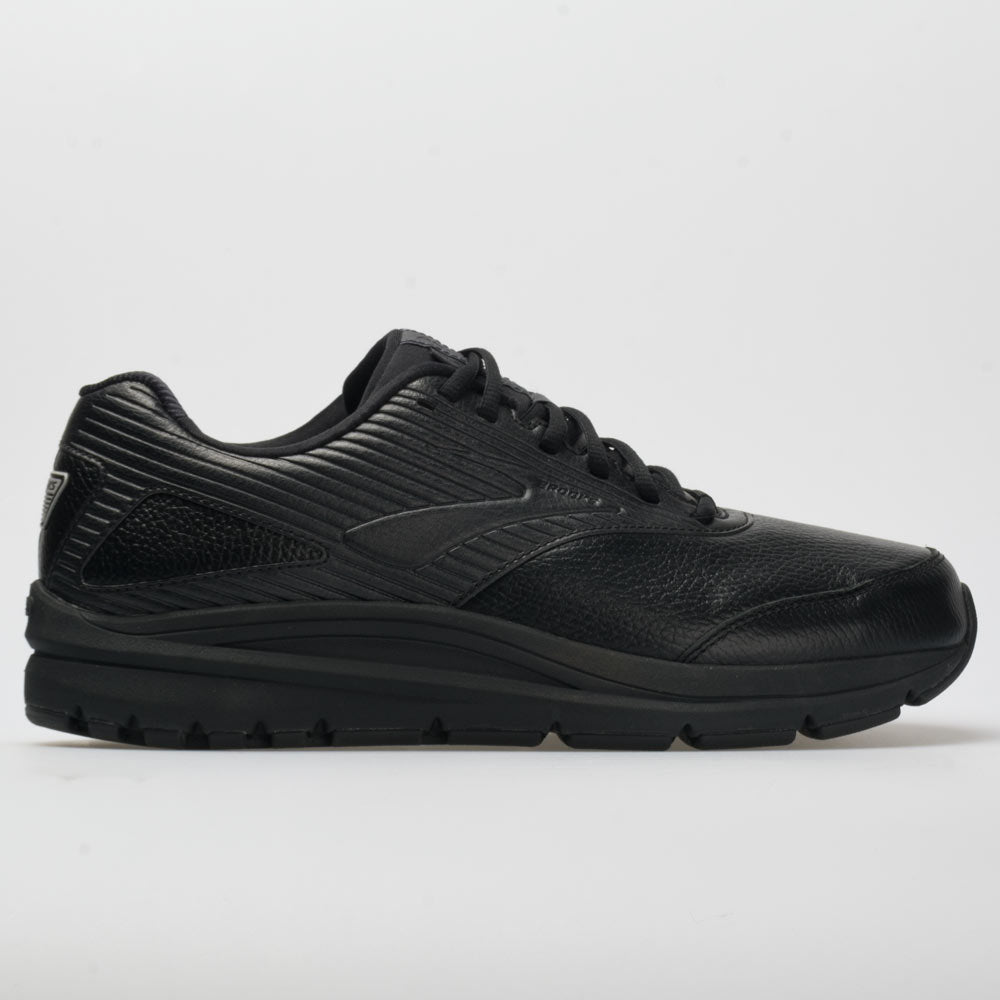
Cushioning-wise they're ideal; the caveats are spill protection and slip rating. Leather or coated uppers beat open mesh, and the outsole should be genuinely slip-resistant. Several brands make healthcare-specific versions of their running platforms for exactly this reason.
+How often should I replace work shoes?
On shift mileage, every 4–6 months is typical — foam dies from hours, not just miles. New aches in your knees, hips or arches at the end of shifts that used to feel fine are the classic worn-out-midsole signal.
Picks are selected from live inventory across independent stores on Agora and refresh as the catalog updates. Prices and availability come from each store; you check out securely on the merchant’s own site.